Food villains. Miracle solutions.
We’ve spent decades getting whiplash over the topic of nutrition and weight loss.
Fat-free, low-carb, keto, paleo, vegan: each promises health from head to toe.
But if you’re looking for a simple, straightforward structure to help you lose body fat and keep it off, macros make sense. They offer a way to understand what you’re eating, why it matters, and how to adjust it to support fat loss without giving up your life.
This guide won’t ask you to count spinach leaves or memorize nutrition facts. It’s quick and to the point so you can get moving on your health journey today. Let’s dive in.
🌸 First, What Are Macros?
“Macros” is short for macronutrients: protein, carbohydrates, and fat. These are the nutrients your body needs in large amounts to function, fuel movement, repair tissue, and regulate hormones.
Every food you eat is made up of some combination of the three.
- Protein builds and preserves muscle, supports metabolism, and helps with satiety.
- Carbohydrates are your body’s preferred energy source, especially for workouts and daily activity.
- Fat supports hormones, brain health, and nutrient absorption.
Calories tell you how much energy you’re consuming. Macros tell you where that energy is coming from. That distinction matters.
🌸 Second, Why Do Macros Matter for Fat Loss?
Fat loss is not just about eating less. It’s about creating an environment where your body is willing to let go of stored energy (a.k.a. fat).
Macros influence your:
- Hunger and fullness
- Muscle retention
- Metabolic rate
- Hormones that regulate appetite and stress
- Energy levels
Eating in a caloric deficit is necessary to lose body fat. But macros help you lose fat while keeping the good stuff (your lean muscle mass, your stable moods, your hormone balance, and your metabolic health).
🌸 Third, Finding the Balance
Each macro matters, but eating the right amount will keep you moving toward your goals.
Fat
When you eat too much fat:
Fat is calorie-dense. It contains more than twice the calories per gram of protein or carbs. When fat intake creeps up unintentionally (often through oils, cheese, and condiments), it’s easy to overshoot calories without feeling especially full. For fat loss, excess dietary fat is often stored efficiently, especially when intake consistently exceeds energy needs.
When you eat too little fat:
Chronically low fat intake can disrupt hormone production, particularly those involved in reproductive health and stress regulation. People often notice dry skin, low libido, poor mood, or irregular cycles. Fat is also necessary for absorbing fat-soluble vitamins (A, D, E, and K).
The goal:
Eat enough fat to support hormones and satisfaction, but not so much that it crowds out everything else.
Protein
When you eat too much protein:
Contrary to popular fear, eating too much protein isn’t usually harmful for healthy individuals. But extremely high protein intake can crowd out carbs and fats, leaving you low on energy, fiber, and micronutrients. It can also make meals feel rigid and unappetising, which matters for long-term success.
When you eat too little protein:
This is far more common and more problematic. Too little protein during fat loss increases muscle loss, slows metabolism, and makes hunger harder to manage. It’s one reason people feel “skinny-fat” after dieting: their weight goes down, but strength and body tone go with it.
The goal:
Eat enough protein to preserve muscle, blunt hunger, and stabilize blood sugar without turning every meal into a protein contest.
Carbs
When you eat too many carbs:
Excess carbohydrates (especially refined, low-fiber forms) can spike blood sugar, increase hunger shortly after meals, and contribute to calorie overconsumption. This is especially true when carbs are paired with high fat (think pastries, chips, and pizza).
When you eat too few carbs:
Low-carb diets can initially reduce appetite, but over time, many people experience low energy, poor workout performance, disrupted sleep, and elevated stress hormones. Carbs support thyroid function, serotonin production, and high-intensity movements.
The goal:
Eat enough carbs to fuel your life (workouts, walking, playing) without relying on them as your primary source of fuel.
🌸 Fourth, How to Set Your Personal Macros for Fat Loss
Here’s a simple guide on how to set your own macros to reach your goals.
- Estimate how many calories you burn in a day.
This is your maintenance level (the amount you’d need to eat to stay the same weight). Online calculators make finding this number simple.
- Create a small calorie deficit.
Reducing intake by about 10-20 percent is enough to promote fat loss without triggering hunger and metabolic slowdown.
- Set protein.
Aim for about 0.7-1.0 gram per pound of your goal body weight. This protects your muscle mass and keeps your metabolism working while you lose fat.
- Set fat second.
A moderate intake (often 25-30% of your total calories) supports hormones without dominating your plate.
- Fill in carbs last.
Carbs fill in the remaining calories. More active days will naturally call for more carbs. Rest days may need fewer.
These numbers can be your starting point. If energy drops, hunger spikes, or workouts suffer, make an adjustment. Fine-tune your personal macro goals. Then, give yourself time to adjust. Consistency matters far more than perfection when it comes to your long-term success.
🌸 Fifth, How to Track Your Macros
Tracking works best when it’s simple and not obsessive. You’re in the right headspace when you:
- Use tracking to learn portion sizes (not to micromanage your plate)
- Track meals, not mistakes
- Focus on patterns across days instead of fixating on each meal
Many people find success tracking for a month or so, then transitioning out once they find favorite recipes and know their portion goals. Every quarter, it is helpful to track for another month to see where old eating habits have snuck back in.
You can track your macros with a pen and paper, on your notes app, or through a macro-tracking tool.
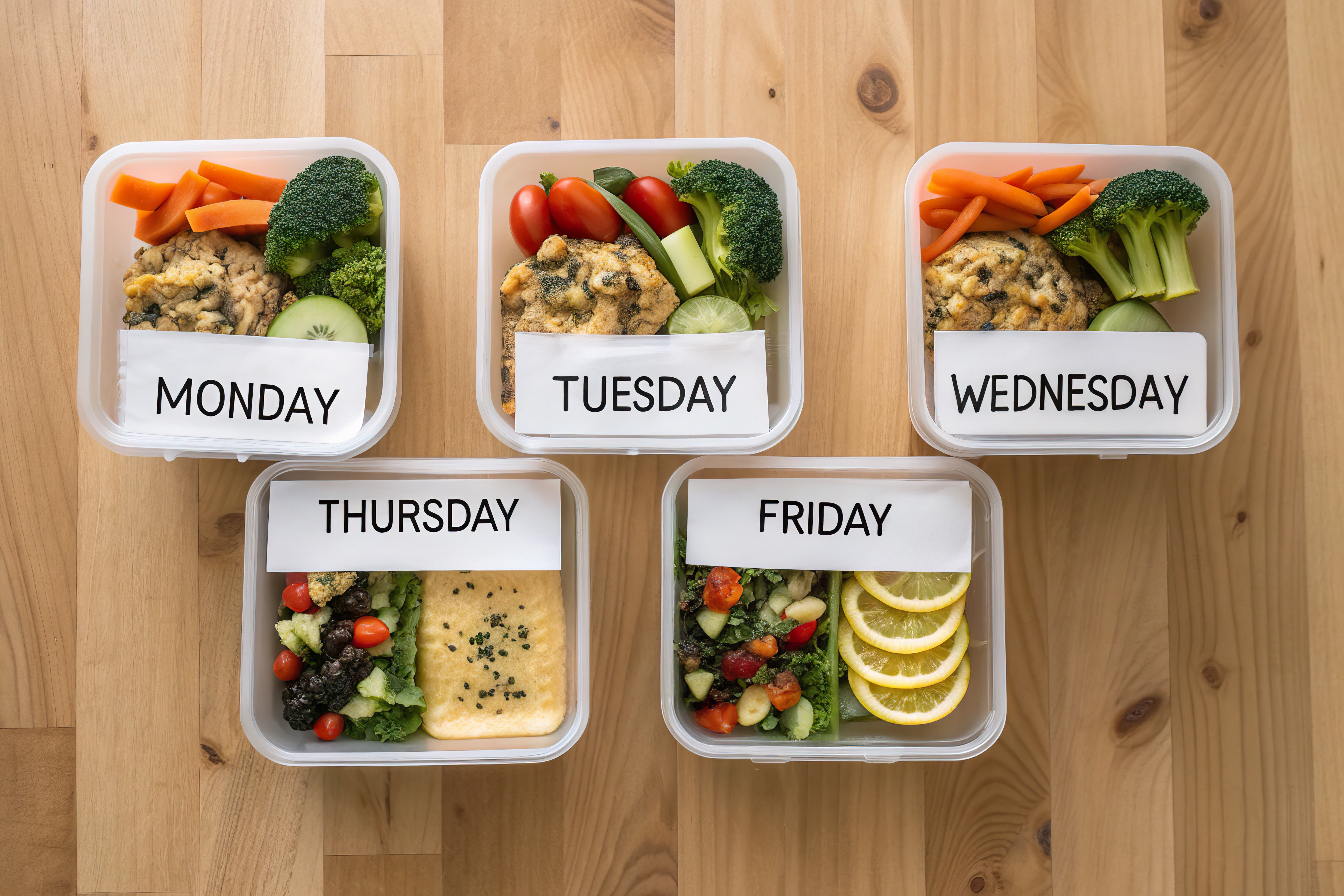
🌸 Sixth, My Favorite Macro-Friendly Meals
We all dream of recipes that check all the boxes: fast, easy, healthy.
So I collected a few favorites for you. Start with these tasty, macro-balanced meals, and build your recipes with time.
In LEAN, I’ll share even more recipes (along with their grocery lists) to help you learn exactly how to eat for fat-loss.
Join us, and tap into the resources that have helped over 150,000 people reach their health and fitness goals.