
For decades, we treated metabolism like it was fate. You either got lucky or you didn’t. Some bodies burn hot, others sputter along.
Blame your parents, your age, your hormones, your busy life. Feel defeated. Shrug, and move on.
But science tells a far more hopeful story—one that dismantles most of what we’ve been taught about our metabolic fate.
Your metabolism isn’t a mystery, and a fast one isn’t a gift bestowed on a lucky few. It’s a system that’s durable, resilient, and remarkably similar across humans. For most of adulthood, it’s far more stable than diet culture has told you.
The problem isn’t that you were born with a slow metabolism. It’s that little habits have nudged your metabolism off course. Let me explain…
What Your Metabolism Is, and Why It Matters
At its core, your metabolism is how your body creates and uses energy. Like a car engine, it runs whether you’re paying attention or not, until fuel runs low or the systems get stressed.
Most of us don’t think about our metabolisms until we feel depleted: low energy, stubborn weight gain, brain fog, and constant hunger send us researching faster metabolism fixes. We see a problem and assume something is wrong under the hood.
But the problem isn’t a broken metabolism. It’s the simple habits that have made our bodies feel sluggish and rundown.
The Big Metabolism Myths We All Believed
Let’s start with what’s not true about the metabolism:
Myth #1: Everyone is born with a different metabolism.
You’re not genetically destined to store twice the calories as your coworker. In reality, humans begin life on surprisingly equal metabolic footing. The differences we notice later are largely shaped by lifestyle.
Myth #2: Teenagers have sky-high metabolisms.
Metabolic rate actually declines steadily from early childhood into adulthood. Teens eat more because they’re growing, not because their engines burn faster.
Myth #3: Metabolism crashes in middle age.
This one is deeply ingrained, and the biggest lie debunked. When researchers account for changes in body composition and lifestyle, metabolism from roughly age 20 to 60 is remarkably steady. To put it plainly, our metabolism doesn’t change for the worse after age 20. Our lifestyle does.
Myth #4: After a certain age, it’s all downhill.
Even after 60, metabolic slowdown is gradual. The decline begins then, but only reaches a 17% drop at around age 90.
Why Life Between 20 and 60 Feels So Different Physically
Why does weight gain feel easier as the decades pass? Because life changes.
Careers accelerate, sleep suffers, movement diminishes. Meals are rushed, skipped, or eaten at our desks. Alcohol sneaks into weeknights. Chronic stress keeps our bodies locked in survival mode. While our bodies are hardwired to keep our metabolism steady in midlife, our choices slow it down.
None of this breaks your metabolism, but it does interfere with how well it runs. Thankfully, reversing a slowed metabolism is just as straightforward.
Seven Natural Ways to Resurrect Your Healthy Metabolism
Tap back into the metabolism you have. These seven shifts will make your metabolism move again.
⚙️ Move More
Workouts matter, but everyday movement matters more than you’d believe. Walking, dancing, gardening, even fidgeting burns energy and moves your metabolism.
Going for walks is especially powerful. It’s accessible, free, stress-relieving (we’ll talk more about why that’s important in a minute), and metabolism-boosting.
So grab your sneakers and step out on that sidewalk as often as you can.
⚙️ Build and Preserve Muscle
Muscle is metabolically active tissue. That means, the more you have, the more energy your body uses, even at rest.
Strength training with heavy weights (whatever is at the top of your range) a few times a week is enough to have a big metabolic impact.
⚙️ Eat Enough Protein, Consistently
Protein tackles three amazing tasks: it preserves lean muscle, increases satiation, and burns more calories during digestion than carbs or fat.
Instead of loading your dinner with protein, spread it across the day. Shoot for 30-40 grams at each meal. Balanced meals will keep your metabolism steady and chugging throughout the day, preventing the energy crashes that lead to overeating later.
⚙️ Treat Sleep Like a Metabolic Tool
Sleep is where much of your metabolic repair happens. Inadequate sleep messes up your hunger hormones, increases stress chemicals, and makes it harder to maintain muscle.
Seven to nine hours isn’t just for kids–it’s foundational to your health and metabolism. If your metabolism feels off, take a look at your sleep first, even before your diet.
⚙️ Lower Your Stress Load
Chronic stress keeps your body in a constant state of flight or flight. In that mode, your digestion slows down, fat storage ramps up, cravings intensify, and inflammation rises.
Managing stress is your metabolic self-care. Try long, slow walks outside, exercising, boundaries, deep breathing, and committing to less. Your calm body will keep your metabolism burning.
⚙️ Stop Eating Past Full
We think a slow metabolism is what triggers our bodies to pack on more body fat, but the flip side is true as well. More body fat causes our metabolism to slow down.
Overeating (even nutritious food) gives your body more energy than it needs. In response, your body stores that extra energy in your fat cells, which can each stretch and grow up to 300%. It’s a simple story—when we overeat, our bodies store the extra food as fat. Then, our metabolisms slow down more.
Overeating also dulls metabolic signals over time. Our bodies (and our hunger hormones) no longer know when to tell us when to eat and when to stop eating. Learning to stop when you’re satisfied—not stuffed—is one of the most underrated skills in health.
This is not about restriction. Eating enough healthy, whole food is critical for your health and long-term weight loss. This is about you tuning back into your body’s cues, which tend to get quieter the longer we ignore them.
⚙️ Choose Foods That Work With Your Biology
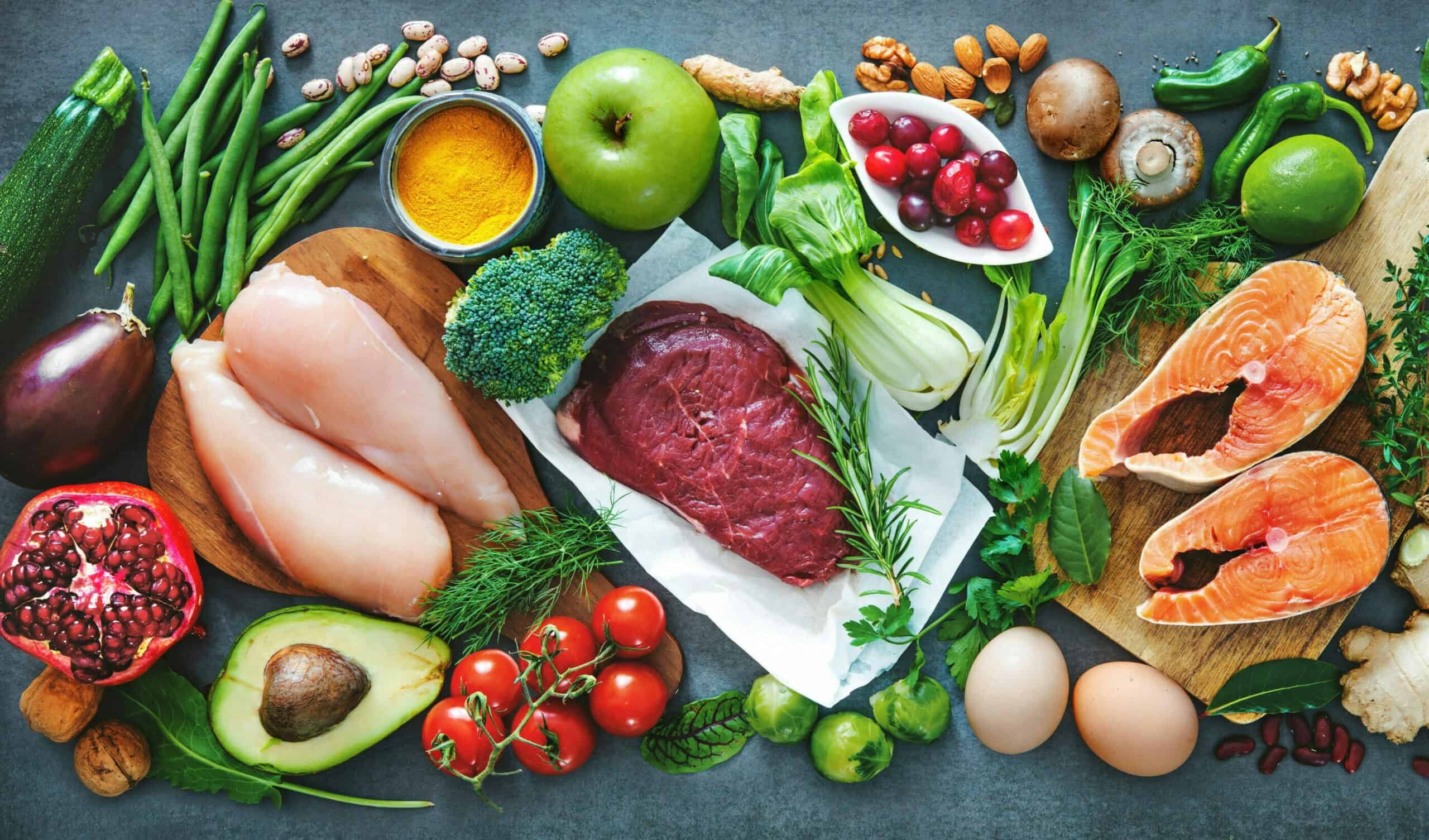
High-quality, minimally processed food helps strengthen your metabolism indirectly by reducing inflammation and supporting gut health.
Fiber-rich foods (like beans and vegetables) feed beneficial gut bacteria, which play a role in how efficiently your body uses energy. Tomatoes, onions, and capers are metabolic powerhouses that contain lycopene and quercetin, which burn down harmful body fat.
Knowing is One Thing. Doing is Another.
So, now you know the truth about your metabolism. You know it isn’t broken. You know it doesn’t magically collapse in midlife. You know what supports it: movement, protein, sleep, stress management, mindful eating, real food.
And yet, if information alone were enough, none of us would struggle.
This is the part no one likes to talk about. Forming new habits is hard work.
Not because you’re lazy or undisciplined, but because real life is kind of crazy. You’re juggling work, family, schedules, stress, and exhaustion. You’re hard working! But strong-arming yourself into eating nothing but spinach won’t work. Even the best intentions get buried under busy days and decision fatigue.
Most people get stuck here and stall out—not at the what should I do part, but the how can I do this part.
Consistency (the kind that would lead you to losing the weight and staying fit decade after decade) doesn’t come from determination alone. It comes from:
- Structure
- Education that makes sense
- Accountability that keeps you showing up on the days you don’t feel like it, and
- Support that reminds you you’re not doing this alone.
That’s exactly why I created LEAN.
LEAN isn’t a quick fix or another diet you white-knuckle through. It’s a framework for building the exact habits you just learned about, step by step, in real life, with real support. Inside LEAN, you’re guided on how to eat enough protein without overthinking it, how to move your body consistently without burning out, how to manage stress and sleep in a way that actually fits your season of life.
More importantly, you’re surrounded by accountability, education, and a community of women doing the same work. We’re all showing up imperfectly, learning our bodies, and finally seeing change that lasts.
If you’re tired of knowing what to do but not knowing how to do it long-term, then it’s time to stop doing this alone.
Your metabolism is ready. Your body is ready. LEAN is what you’re missing. Join us. Let’s make this the moment things finally stick.